
Winch mounting
A compatible bumper or hidden cradle provides the structural support required for vehicle recovery winching.
Choose the right replacement bumper for off-road protection, improved approach clearance, winch installation and accessory mounting. This guide compares winch and non-winch bumpers, steel and aluminium construction, hidden winch mounts, vehicle safety systems and leading options from D44, ARB, RIVAL and EFS.
An aftermarket 4x4 bumper replaces or supplements part of the original front or rear bumper assembly with a stronger vehicle-specific structure. Depending on the design, it may improve protection, approach clearance, winch mounting, lighting provision and recovery functionality.
Products range from slim steel winch bumpers for older Land Rovers to modern aluminium replacement bumpers designed around parking sensors, radar systems, fog lights and factory body lines. Some retain a low-profile, hoopless appearance, while others include upper tubes or a traditional frontal-protection structure.
A bumper should never be treated as universal. Mounting brackets, chassis design, airbags, crumple characteristics, cooling airflow, driver-assistance sensors and bodywork all vary between vehicle models and production years.
The right bumper should solve a genuine vehicle or equipment requirement rather than simply adding weight to the front of the vehicle.
A compatible bumper or hidden cradle provides the structural support required for vehicle recovery winching.
Trimmed wings and a closer-fitting design can reduce the amount of bumper projecting ahead of the tyres.
Stronger construction can protect vulnerable bodywork and mechanical components in suitable off-road use.
Purpose-designed positions may support driving lights, fog lights, aerials and number plates.
Selected bumpers incorporate or work alongside rated recovery points designed for the vehicle.
Heavy-duty rear bumpers can protect body corners and may support towing, recovery or carrier accessories.
Different designs balance protection, weight, styling, legality, sensor integration and recovery capability.
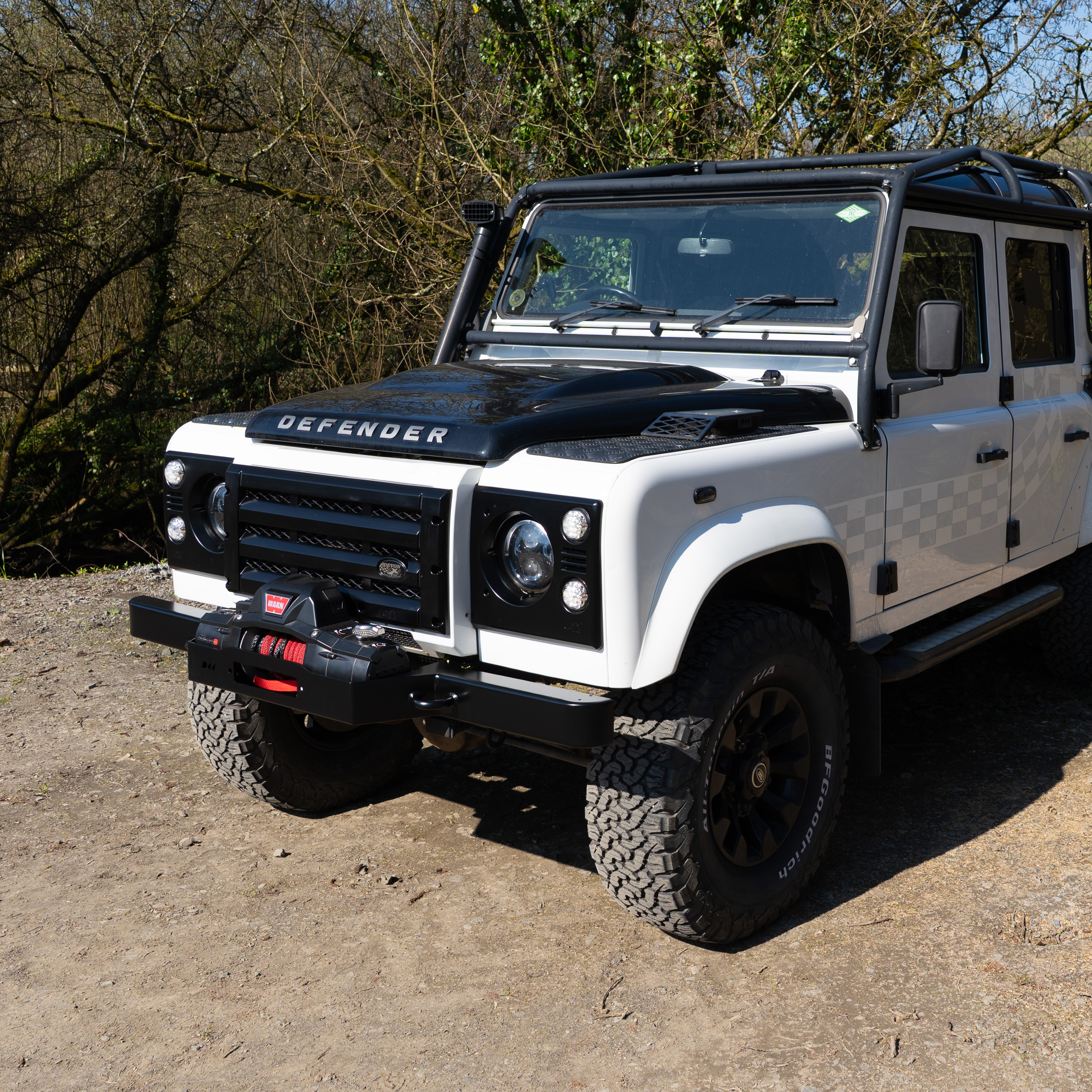
A compact steel bumper places the winch close to the chassis and can improve approach clearance compared with a bulky original bumper.
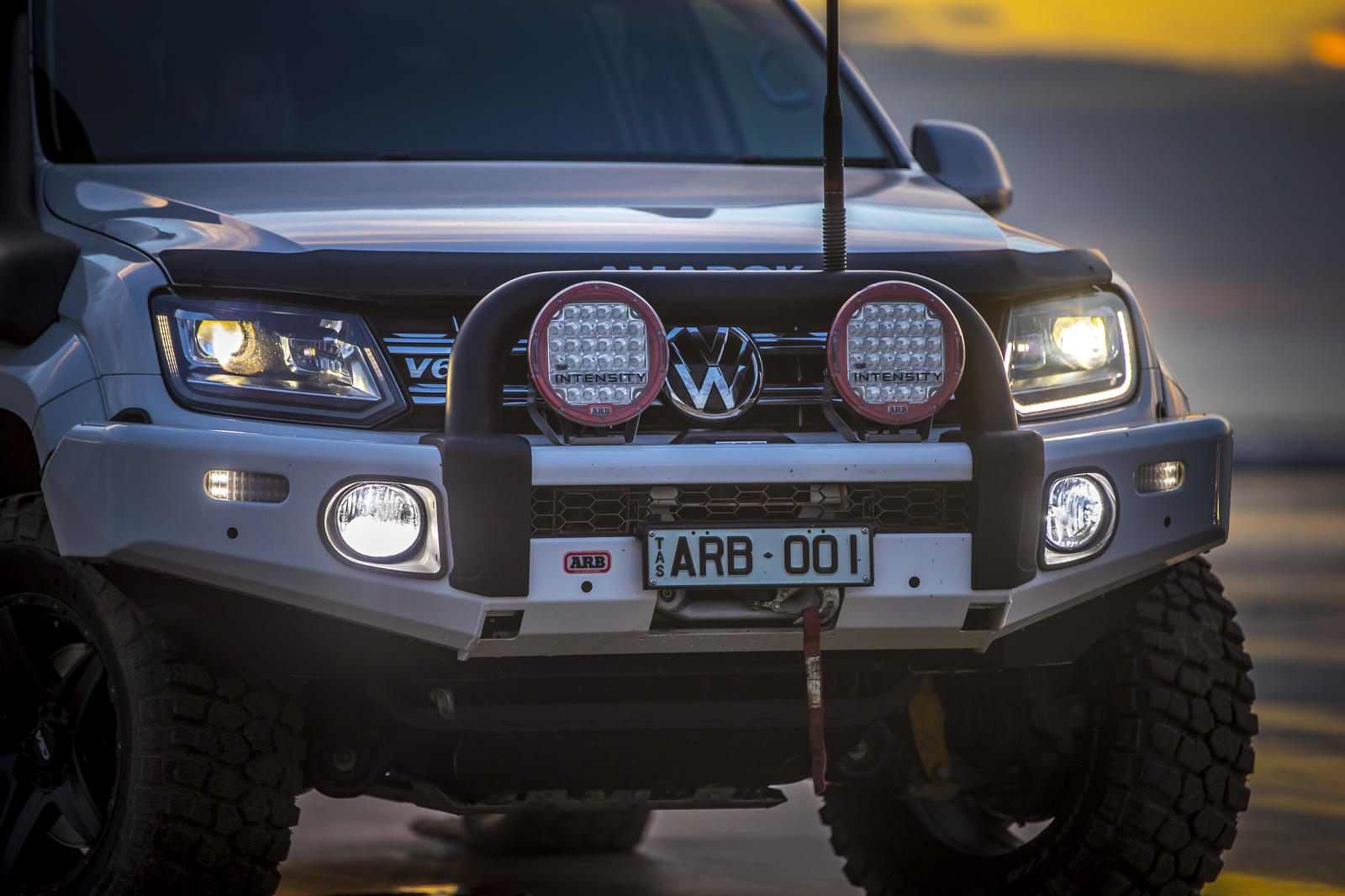
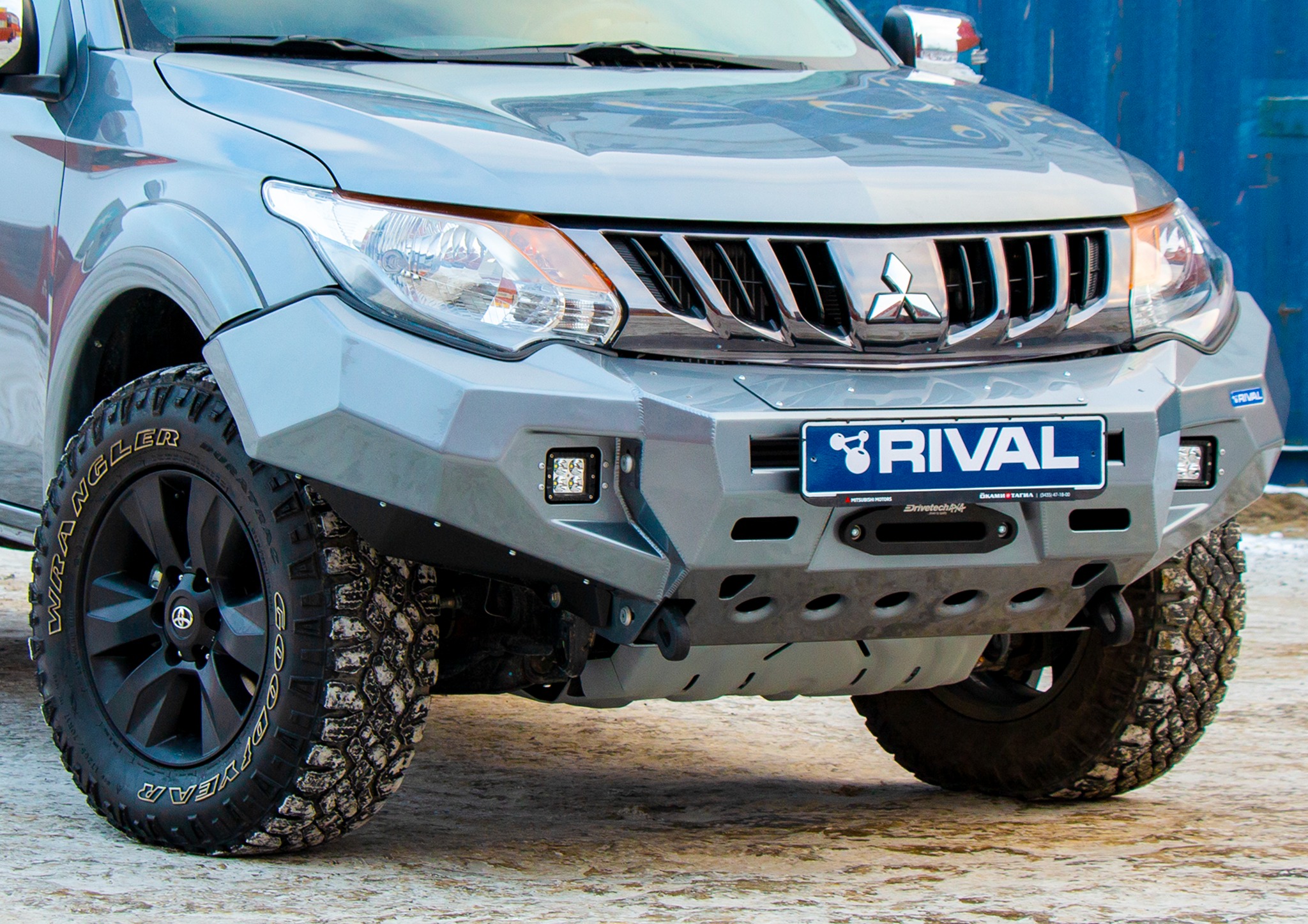
Shaped steel or aluminium bumpers follow the vehicle’s front styling and may retain sensors, fog lights, cameras and factory safety functions.
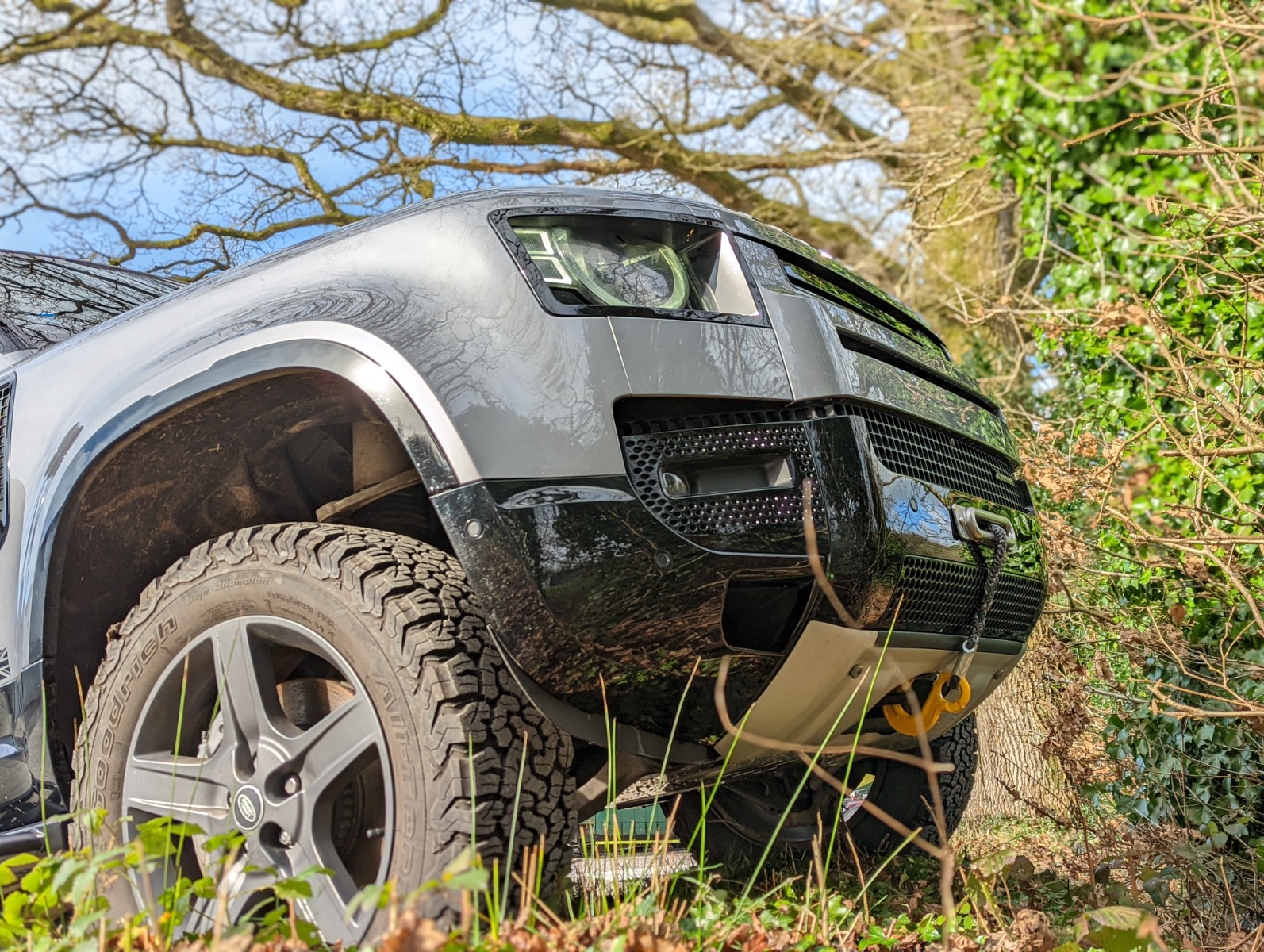
A concealed steel cradle mounts a winch behind the original bumper, preserving more of the factory styling and frontal shape.
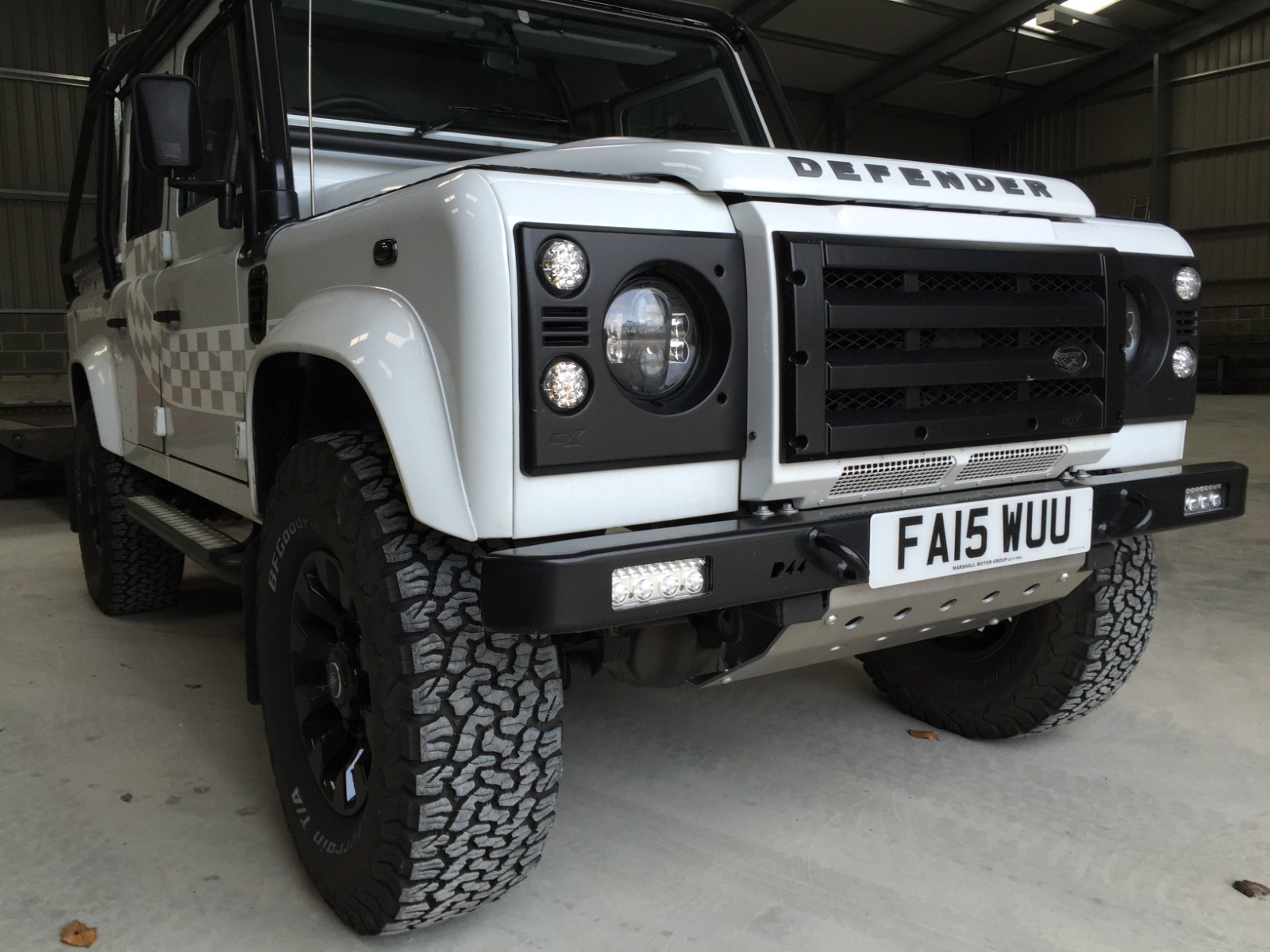
A non-winch design can improve protection, clearance and accessory mounting without the structure, openings and mass required for a winch.
A winch bumper must be engineered for the large recovery loads transferred into the chassis. A visually similar non-winch bumper is not an acceptable substitute.
| Feature | Winch Bumper | Non-Winch Bumper |
|---|---|---|
| Primary purpose | Supports a compatible recovery winch and provides bumper protection. | Provides protection, clearance or styling without a recovery winch. |
| Internal structure | Includes a winch tray or reinforced mounting structure tied into approved chassis points. | Does not necessarily include reinforcement for winching loads. |
| Weight | Higher once the winch, rope, fairlead, wiring and isolator are included. | Usually lower because winch structure and equipment are absent. |
| Cooling and access | Must allow airflow, clutch access, rope inspection and fairlead alignment. | Can use a cleaner enclosed design where winch access is unnecessary. |
| Best suited to | Remote travel, competition, forestry, utility work and regular self-recovery needs. | General protection, trail clearance and vehicles using alternative recovery arrangements. |
Winching can generate forces many times greater than the static weight of the vehicle. Use only a bumper or cradle specifically designed for the vehicle, winch size, mounting pattern and intended recovery loads.
A winch-compatible bumper may still accept only particular winch types, dimensions and capacities. Low-line planetary winches, upright high-mount winches and competition winches require different internal spaces and mounting arrangements.
Check the bolt pattern, drum width, gearbox position, motor clearance, fairlead opening and clutch access. Some bumpers require the winch gearbox to be rotated or use a model-specific fitting kit.
The winch, bumper, chassis mounts, electrical system and recovery points must be considered as one installation. Do not assume that a higher-rated winch is suitable simply because it can physically be placed behind the bumper.

Both materials can form strong vehicle-specific bumpers. Construction, reinforcement and mounting design matter as much as the base material.
| Material | Advantages | Points to Consider | Typical Applications |
|---|---|---|---|
| Steel | High impact resistance, strong winch structures, robust recovery integration and easier local repair in some cases. | Greater front-axle weight; coating damage must be repaired to control corrosion. | D44 winch bumpers, many ARB bars and selected EFS heavy-duty systems. |
| Aluminium | Lower mass, strong corrosion resistance and modern formed styling. | Different impact and repair behaviour; internal steel mounting structures may still be required. | RIVAL aluminium bumpers and selected ARB alloy applications. |
Include the bumper, brackets, winch, rope, fairlead, lights, recovery points, underpanels and wiring. An aluminium outer bumper may still use a substantial steel mounting structure.
Bumper and winch mass sits ahead of the front axle, so its effect can be greater than the same weight carried centrally in the vehicle.
Check the plated axle rating with passengers, fuel and all permanently fitted accessories included.
Added front mass can reduce ride height and available suspension travel.
Permanent bumper and winch weight may require suspension springs matched to the accessory load.
Additional mass can influence steering response, braking distance and overall handling.
The complete installation reduces the remaining legal payload available for people and equipment.
Consider rear loads, towing nose weight and the full touring configuration rather than the bumper alone.
Tapered wings, raised corners and a close-fitting centre section can reduce contact with banks, rocks and steep track entrances.
A bumper should not project farther than necessary or create vulnerable low corners. The best design protects important components while following the vehicle shape and preserving cooling airflow.
Modern vehicles can use front radar, parking sensors, cameras, fog lights, headlamp washers and air-temperature sensors within or behind the original bumper.
A compatible replacement must preserve the required positions and operation of these systems. Sensor brackets are not interchangeable between models, and radar alignment may require calibration after installation.
ARB states that its vehicle-specific airbag-compatible bars are designed around the vehicle’s frontal crush characteristics. RIVAL states that its aluminium bumpers are crash tested so factory safety systems continue to work. These manufacturer claims apply only to the exact approved application and installation.
Incorrect radar or camera positioning can affect driver-assistance systems. Use the supplied brackets and follow any calibration requirements.

Devon 4x4 offers bumper systems ranging from specialist Land Rover winch mounts to integrated steel and aluminium protection for modern pickups and 4x4s.
D44 manufactures heavy-duty steel bumpers and hidden winch mounts with particular strength in Land Rover Defender and Discovery applications. Designs focus on winch integration, approach clearance and practical off-road use.
ARB offers vehicle-specific steel and aluminium frontal-protection systems, including Summit, Sahara, Deluxe, Commercial and other application-dependent designs. Winch and non-winch options vary by vehicle.
RIVAL is known for low-profile aluminium bumpers designed to provide vehicle protection and accessory integration without the mass of a traditional steel bar.
EFS supplies vehicle-specific frontal-protection products for selected pickups and 4x4s, with ranges designed around touring, utility and off-road requirements.
| Brand | Typical Construction | Best Known For | Key Buying Check |
|---|---|---|---|
| D44 | Heavy-duty steel | Defender and Discovery winch bumpers, high-mount systems and hidden mounts | Match air-conditioning layout, wing style and exact winch type. |
| ARB | Steel and selected aluminium systems | Integrated vehicle protection with winch, lighting and safety-system compatibility | Confirm the exact product’s UK road suitability and sensor specification. |
| RIVAL | Aluminium outer bumpers with engineered mounting structures | Low-profile loopless bumpers and hidden winch mounts | Check winch, radar, parking-sensor and recovery-point compatibility. |
| EFS | Primarily steel vehicle-protection systems | Touring and utility-focused frontal protection | Confirm vehicle fitment, legal status and included accessory provisions. |
The answer is more nuanced than a simple yes or no. “Bull bar” is often used loosely, but UK rules distinguish approved frontal-protection systems from unapproved products.
Department for Transport guidance states that it is not illegal for a vehicle to be fitted with a bull bar. However, the department does not recommend fitment unless the device has been shown, through compliance with specified safety standards, not to create an additional risk to pedestrians or other vulnerable road users.
The same guidance states that, since 25 May 2007, it has been an offence to sell bull bars that have not been approved as compliant with the relevant safety standards. Approved devices carry an indelible “e” approval mark.
A replacement bumper, winch mount and frontal-protection system may fall into different design and approval circumstances.
Approval or testing for one vehicle, market or bumper version does not automatically apply to another.
ADR compliance and Australian crash testing are valuable product information but do not by themselves prove UK road legality.
Confirm the exact product’s approval marking, intended market, vehicle application and road-use documentation.
Tell the insurer about replacement bumpers, winches, lighting and other material vehicle modifications.
Sharp edges, insecure mounting, obscured lights or number plates and dangerous projections can create separate roadworthiness concerns.
Regulations and individual vehicle circumstances can be complex. Before fitting a frontal-protection system for road use, verify the current official guidance, approval documentation and insurance position for that exact product and vehicle.
Replacement bumpers may provide positions for driving lights, fog lights, daytime-running lights, indicators and aerials. Use only compatible lamps and brackets, and ensure all required original lighting functions remain present.
The number plate must remain securely mounted, visible and correctly illuminated where required. A winch fairlead or recovery point should not obstruct the registration mark.
Driving lights and work lights have different intended uses. Install and wire road-going auxiliary lighting in accordance with applicable requirements, using relays, fuses and switching appropriate to the lamp.
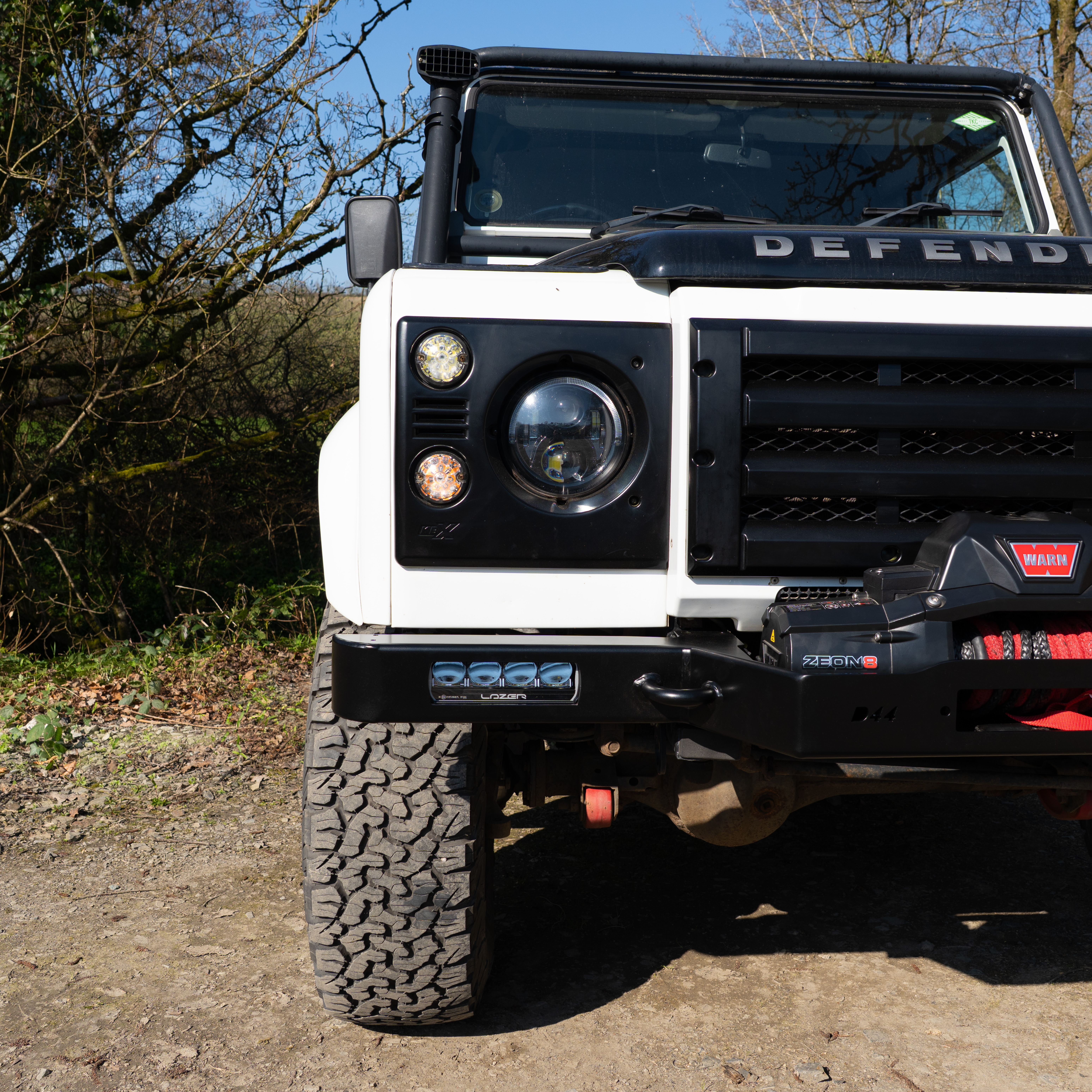
A visible eye, loop or opening may be a styling feature, tie-down point, towing eye or rated recovery point. Confirm its intended use before attaching recovery equipment.
Use only points explicitly identified by the manufacturer for the intended recovery method.
A proper recovery point transfers load through engineered brackets into suitable chassis locations.
Confirm pin diameter, opening shape and whether soft or bow shackles are permitted.
A conventional tow ball is not a recovery point for kinetic or snatch recovery.
Bumper brackets damaged in a collision or heavy recovery may no longer be safe to use.
Use rated equipment, clear the area and select a recovery technique appropriate to the situation.
A heavy-duty rear bumper can protect lower body corners and improve departure clearance. Some include recovery points, towbar integration, steps or carriers for spare wheels and fuel containers.
Carrier systems place significant mass behind the rear axle and can affect payload, axle load and handling. Hinges, latches and stops must be maintained, and the carrier must not obstruct lights, number plates, cameras or tailgate operation.
Towing capacity is not created by the bumper alone. Any towbar or receiver arrangement must be approved for the vehicle and installed as a complete rated system.
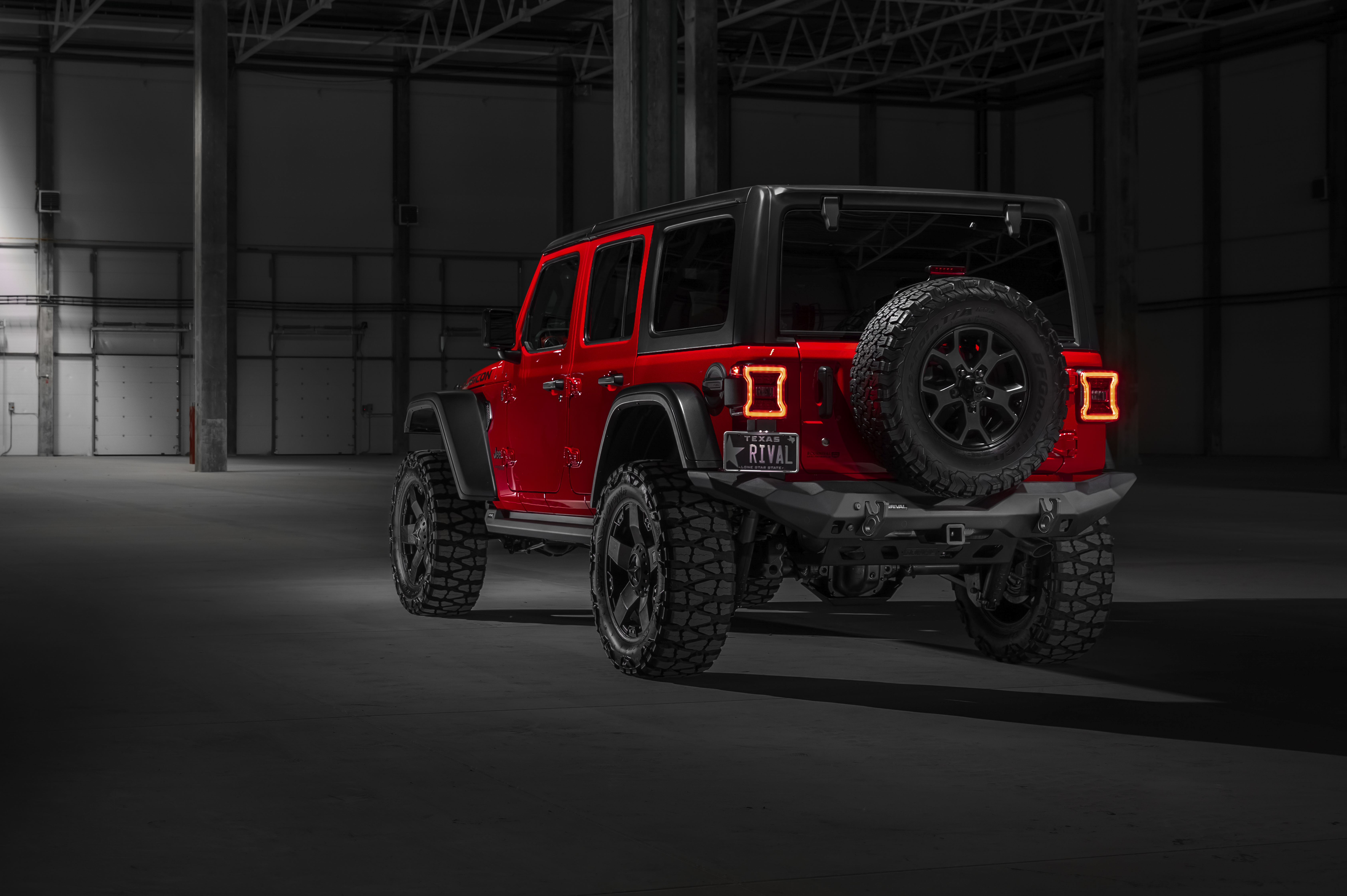
Replacement bumpers are heavy structural accessories. Support them safely and follow the exact vehicle-specific installation instructions.
Check model, year, body style, engine, sensors, bumper variant and winch compatibility.
Disconnect relevant electrical systems and support the original and replacement bumpers correctly.
Fit brackets and fasteners loosely before final alignment with body panels and chassis.
Tighten in sequence, reconnect equipment and test every light, sensor and accessory.
Do not block radiator, intercooler or transmission-cooler airflow with plates or accessories.
Fuse winch and lighting circuits correctly and protect cables from heat, edges and moving parts.
Complete any radar, camera or driver-assistance calibration specified for the vehicle.
Check mounting torque and alignment after the first journey and following recovery or impact loads.
Inspect the bumper after impacts, recoveries, winter roads and frequent off-road use.
Inspect brackets, chassis bolts and winch mounts for movement or loss of torque.
Treat chips and exposed steel promptly to prevent corrosion spreading beneath the finish.
Remove mud, salt, leaves and debris from cooling openings, brackets and drain paths.
Check fairlead security, rope condition, clutch access and electrical isolation.
Confirm fog lights, indicators, parking sensors, cameras and radar systems work correctly.
Look for distortion, cracked welds, elongated holes and damage around recovery points.
Start with exact vehicle fitment and road-use suitability, then compare winch compatibility, material, weight, sensors and accessory provisions.
Confirm model, production year, body style, engine, trim and existing bumper equipment.
Choose a winch-ready system only where self-recovery capability is genuinely required.
Check capacity, dimensions, mounting pattern, gearbox position and fairlead type.
Confirm the exact product’s approval documentation and intended road-use status.
Include bumper, brackets, winch, lights, rope, fairlead and underpanels.
Check airbags, parking sensors, cameras, radar and headlamp-washer compatibility.
Confirm lighting, aerial, number-plate, recovery-point and underbody-protection provisions.
Use correct lifting equipment, torque settings, wiring protection and calibration procedures.
Practical answers about winch mounting, materials, sensors, recovery and UK road use.
Department for Transport guidance says it is not illegal for vehicles to have bull bars fitted. However, since 25 May 2007 it has been an offence to sell unapproved bull bars that do not comply with the relevant safety standards. Approved devices carry an indelible “e” mark.
Not necessarily. Product design and legal classification can differ. Confirm the exact product’s documentation, approval status and intended market rather than relying on the name used in a catalogue.
Only where the manufacturer supplies an approved conversion or winch cradle for that exact bumper and vehicle. Do not fabricate a simple tray or cut the bumper without engineering approval.
Yes, when the complete system is engineered for winching. Aluminium outer shells commonly work with reinforced mounting structures that transfer recovery loads into the chassis.
It may. The complete permanent load from the bumper, winch and accessories can reduce ride height. Suspension selection should be based on measured accessory weight and vehicle use.
Only where the bumper is designed for the vehicle’s sensor system and the sensors are installed in the correct brackets and orientation. Some systems may require calibration or coding.
Selected vehicle-specific bumpers support factory radar, but compatibility must be stated for the exact vehicle and bumper. Radar relocation may require a dedicated bracket and professional calibration.
It is better where retaining the original appearance and frontal shape is the priority. A replacement bumper may offer improved clearance, protection and easier access to the winch.
Not always. Winch mounting and vehicle recovery points are separate functions. Use only eyes or points that the manufacturer explicitly rates for recovery.
A close-fitting bumper with tapered wings can improve clearance compared with a large original bumper, but the result depends on vehicle geometry and the specific product.
Some experienced owners can fit simpler bumpers, but modern installations can involve heavy lifting, trimming, winch wiring, safety sensors and radar calibration. Professional fitting is often the safer choice.
A replacement bumper, winch and auxiliary lighting are material vehicle modifications. Inform the insurer and keep product and fitting documentation.
Select the correct D44, ARB, RIVAL or EFS bumper for your vehicle, winch, safety systems and intended use. Devon 4x4 can help confirm fitment, accessory compatibility and product documentation before you order.