
1
Supports vehicle weight
Springs support the vehicle, passengers, cargo and permanently installed accessories such as bumpers, winches, canopies and drawer systems.
The correct suspension setup can improve ride comfort, handling, load carrying, stability and off-road capability. This guide explains the main suspension options available and the factors to consider before modifying your vehicle.
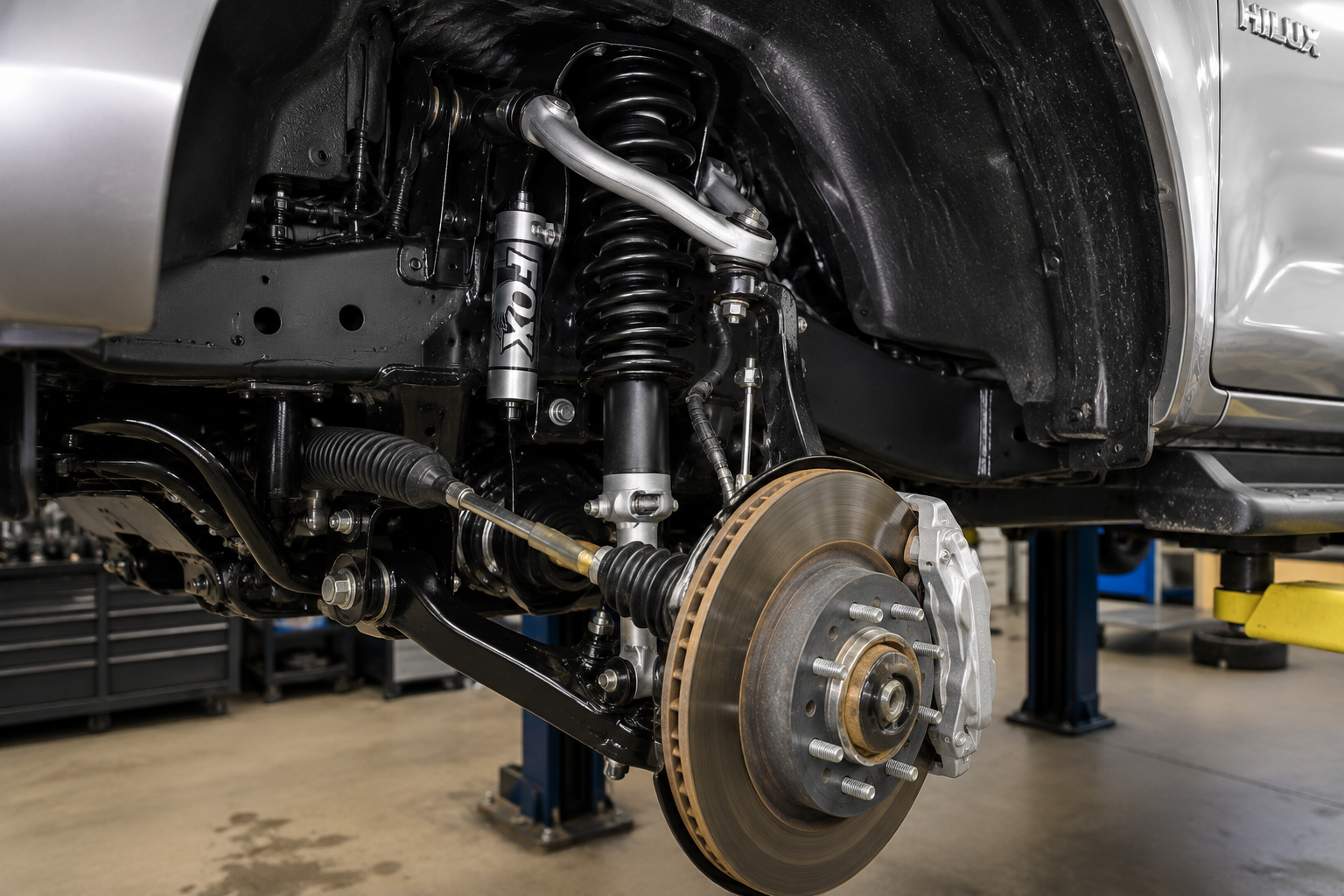
A vehicle's suspension does much more than soften bumps. It supports the vehicle's weight, controls body movement, manages wheel travel and helps keep the tyres in contact with the ground.
Springs carry the weight of the vehicle and allow the wheels to move over uneven surfaces. Shock absorbers, also called dampers, control the speed of that movement and prevent the vehicle from continuing to bounce.
The suspension also influences braking stability, steering response, tyre wear, load carrying and traction. A poorly matched setup can make a vehicle feel unstable, harsh, vague or difficult to control.
The correct system should be selected for the individual vehicle, its permanent accessory weight, typical payload and the way it will normally be driven.
Every suspension component contributes to vehicle control, safety, comfort and the ability to carry additional weight.
Springs support the vehicle, passengers, cargo and permanently installed accessories such as bumpers, winches, canopies and drawer systems.
Dampers control suspension compression and rebound, reducing repeated bouncing and helping each tyre follow the road or trail surface.
A correctly matched system helps manage body roll, pitching, braking dive and changes in balance caused by towing or heavy loads.
Controlled wheel travel helps the tyres remain in contact with the surface, improving steering, braking and off-road grip.
Suspension components wear gradually, so declining performance is not always immediately obvious.
One corner or axle sits lower than expected, especially after accessories or permanent loads have been added.
The vehicle continues to move after a bump or feels uncontrolled over uneven roads and undulating surfaces.
Visible oil around a shock absorber can indicate a failed seal or internal wear requiring further inspection.
Worn suspension parts, poor geometry or alignment issues can contribute to irregular or accelerated tyre wear.
Excessive body roll, vague steering, instability or pronounced braking dive may indicate a worn or unsuitable setup.
Noise over bumps may come from worn bushes, mounts, joints, springs or loose suspension hardware.
Steering, braking, tyre contact and stability can all be affected by worn or damaged suspension. Any sudden change in handling, ride height or vehicle control should be inspected before further heavy use.

Factory suspension is designed around the original vehicle and an expected range of normal loads. Once heavy accessories, touring equipment or a regular payload are added, the standard springs and dampers may no longer provide the required support or control.
Upgraded suspension can help restore ride height, improve load handling and provide damping better suited to rough roads, towing or repeated off-road use.
A suspension lift may also improve ground clearance beneath parts of the vehicle and create additional space for carefully selected tyre sizes. However, lifting the vehicle is only one possible outcome of an upgrade.
A well-planned system should improve how the vehicle performs in its intended role rather than simply making it sit higher.
The right option depends on whether the aim is to replace worn components, support extra weight, lift the vehicle or increase off-road performance.
Replacement springs and dampers restore worn suspension while retaining a height and driving character close to the original vehicle.
Matched springs and dampers raise the vehicle and may improve clearance, wheel travel and performance on rough terrain.
Springs selected for permanent accessories, payload or towing help maintain ride height and improve stability under load.
Longer dampers and associated components increase usable wheel travel and articulation for more specialised off-road vehicles.
Additional oil capacity and improved heat management can help maintain damping performance during demanding, repeated use.
Coil conversion kits replace selected air-suspension systems with conventional springs for mechanical simplicity and easier remote-area repair.
Uprated leaf packs can support additional weight on pickups, commercial vehicles and heavily loaded touring builds.
Auxiliary springs provide additional support when the vehicle is loaded, towing or carrying heavy equipment.
Replacement bushes and correction components restore control or compensate for geometry changes created by a suspension lift.
Begin with how the vehicle is used most of the time, then account for permanent accessories and realistic operating weight.
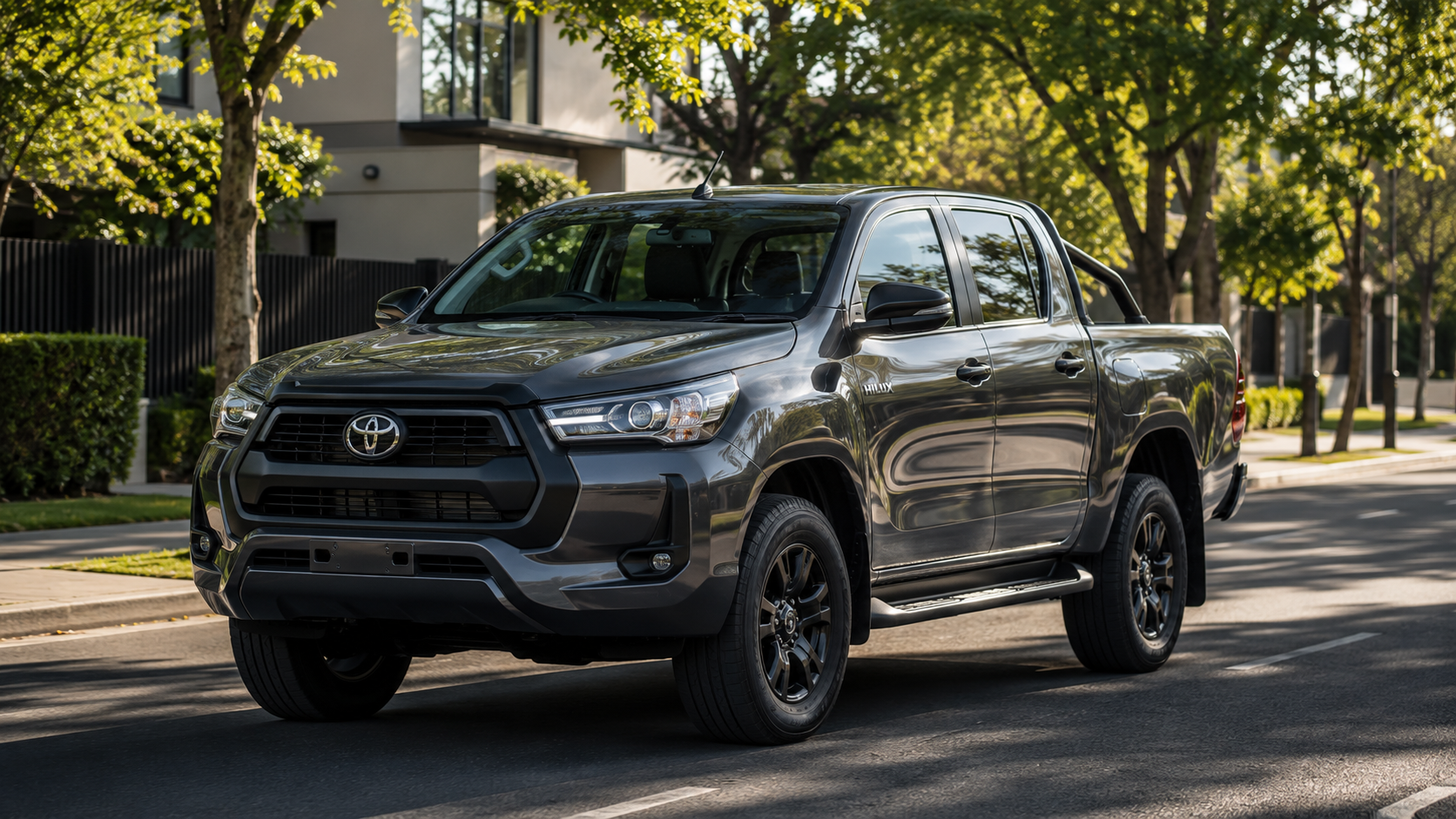
Prioritise comfort, steering response and controlled handling. Standard-height replacement or a modest matched lift is normally more suitable than a heavily uprated system.

Select springs and dampers that manage the vehicle's loaded axle weights while maintaining stability and ride quality when the trailer is disconnected.
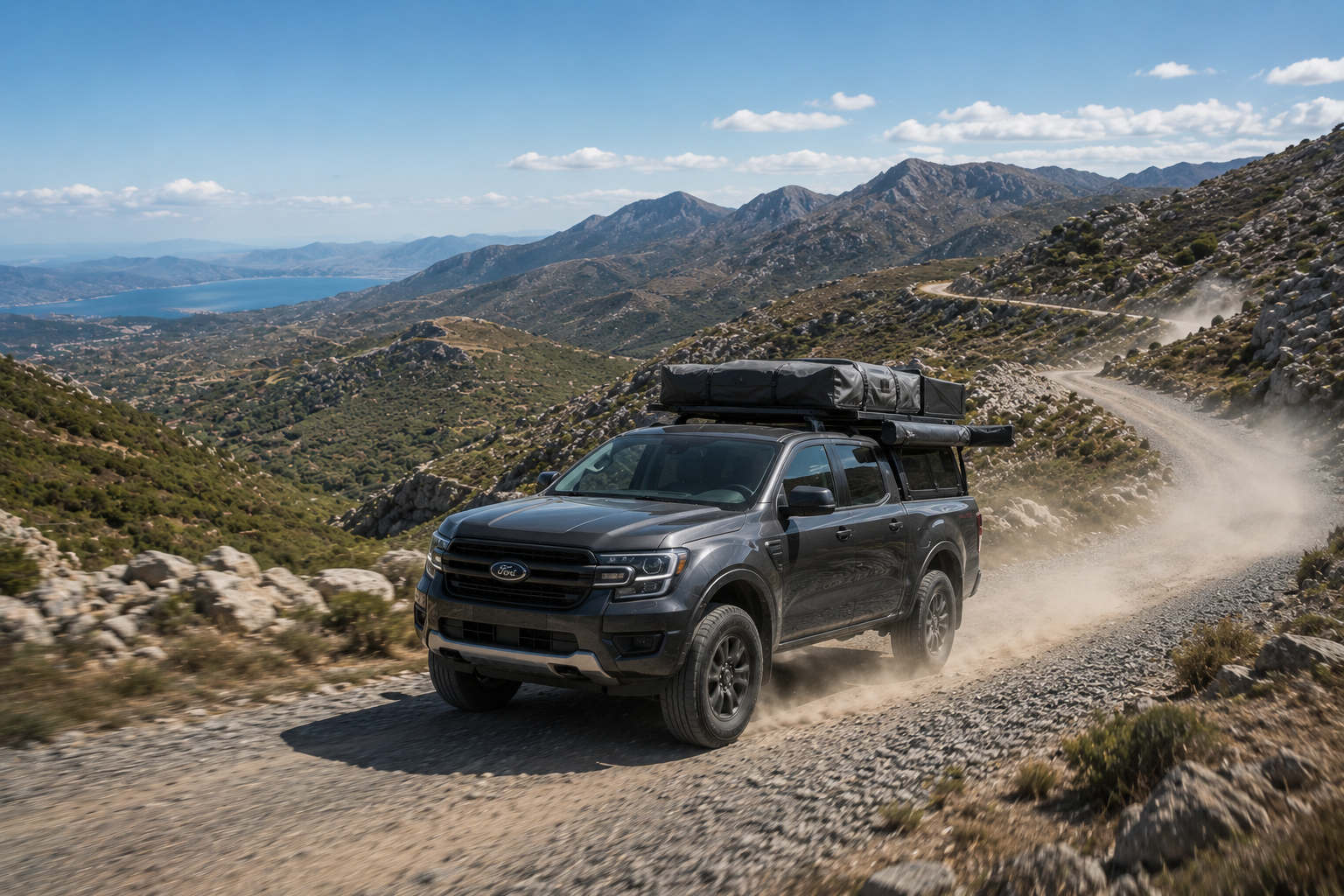
Account for permanent equipment, fuel, water, passengers and luggage. Heat management and long-term damping consistency become increasingly important.
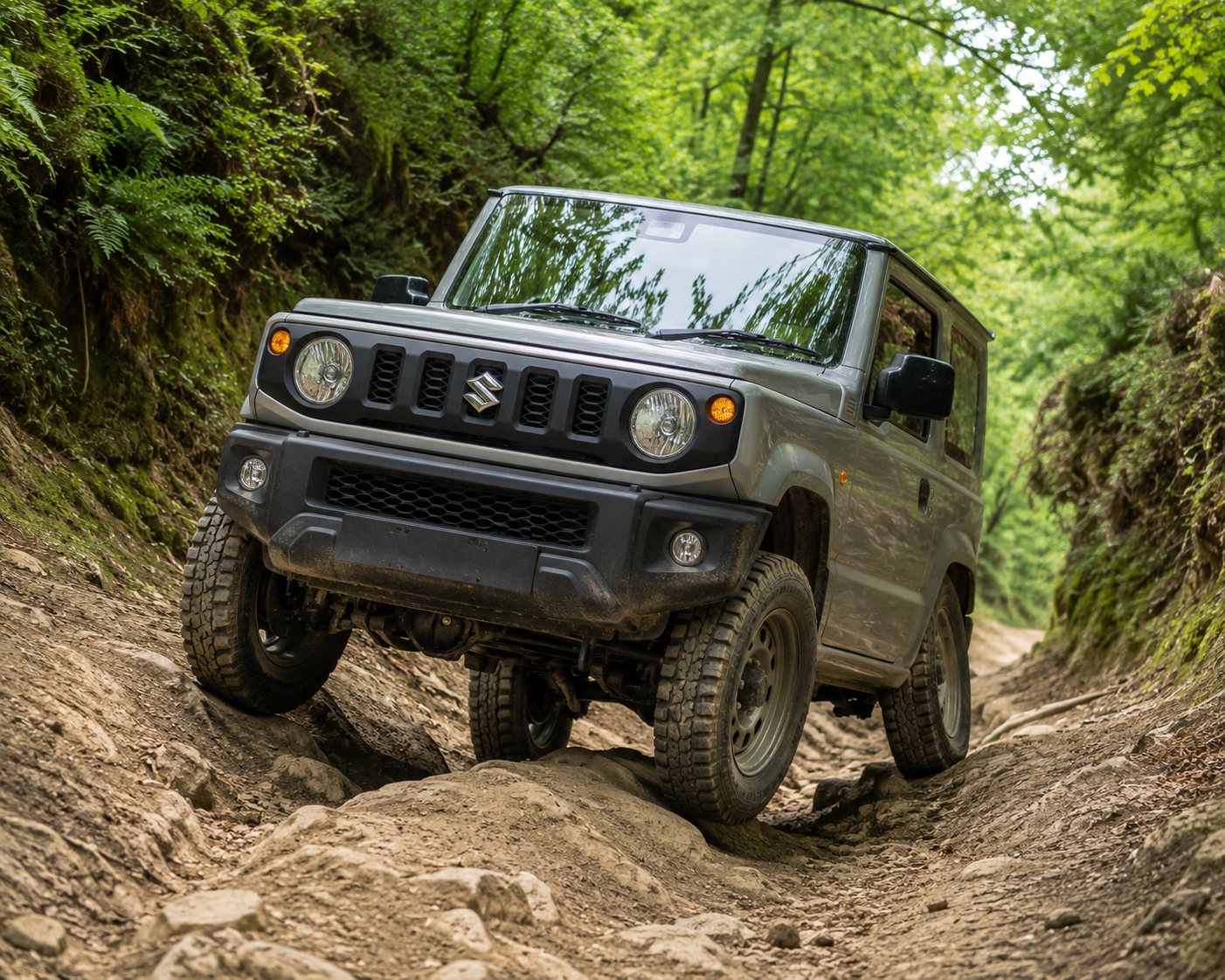
A moderate lift with well-matched dampers can improve clearance and control without making the vehicle unnecessarily tall or compromising road behaviour.
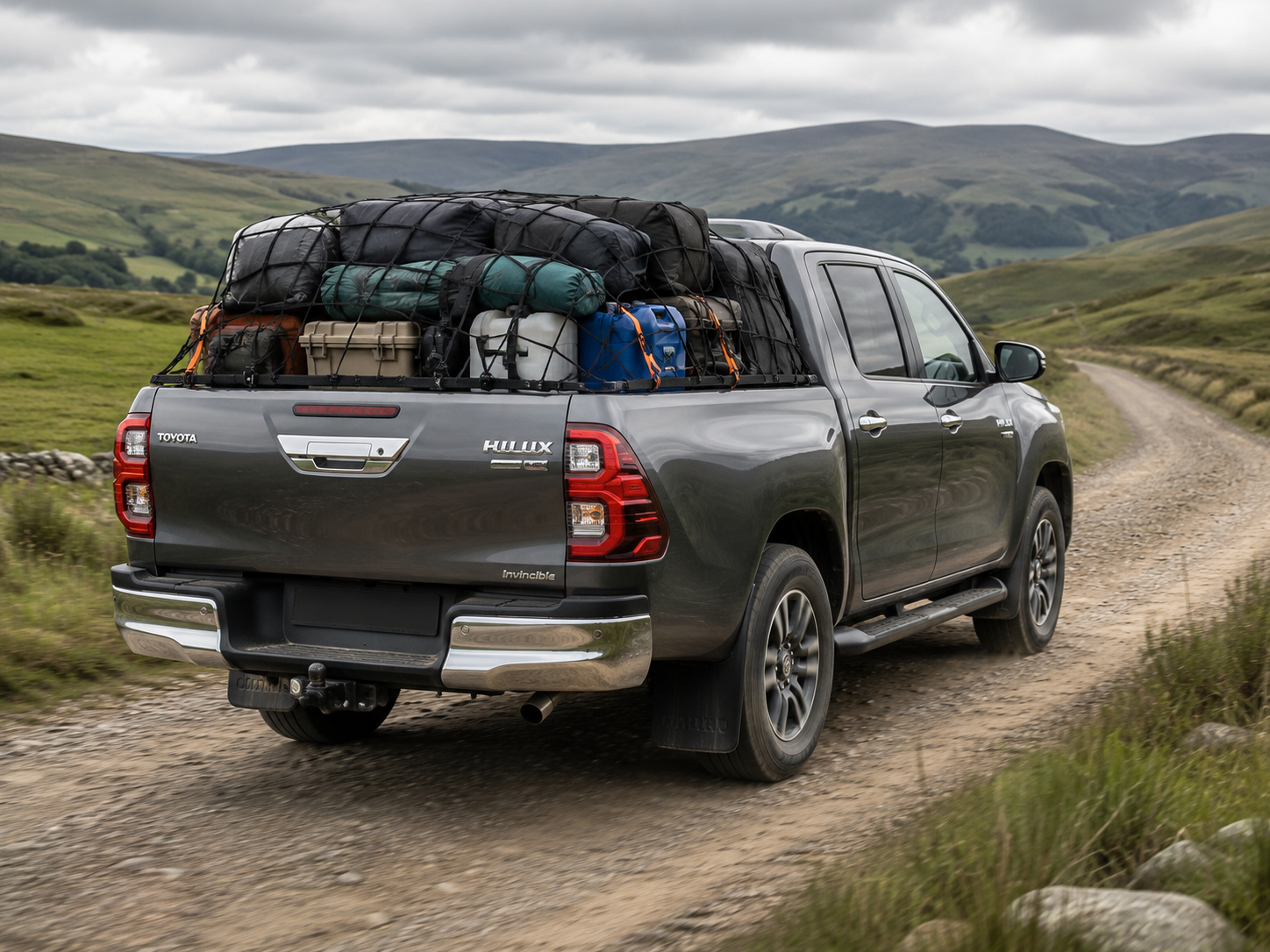
Uprated coils or leaf springs can help maintain ride height and stability where tools, equipment or payload are carried regularly.
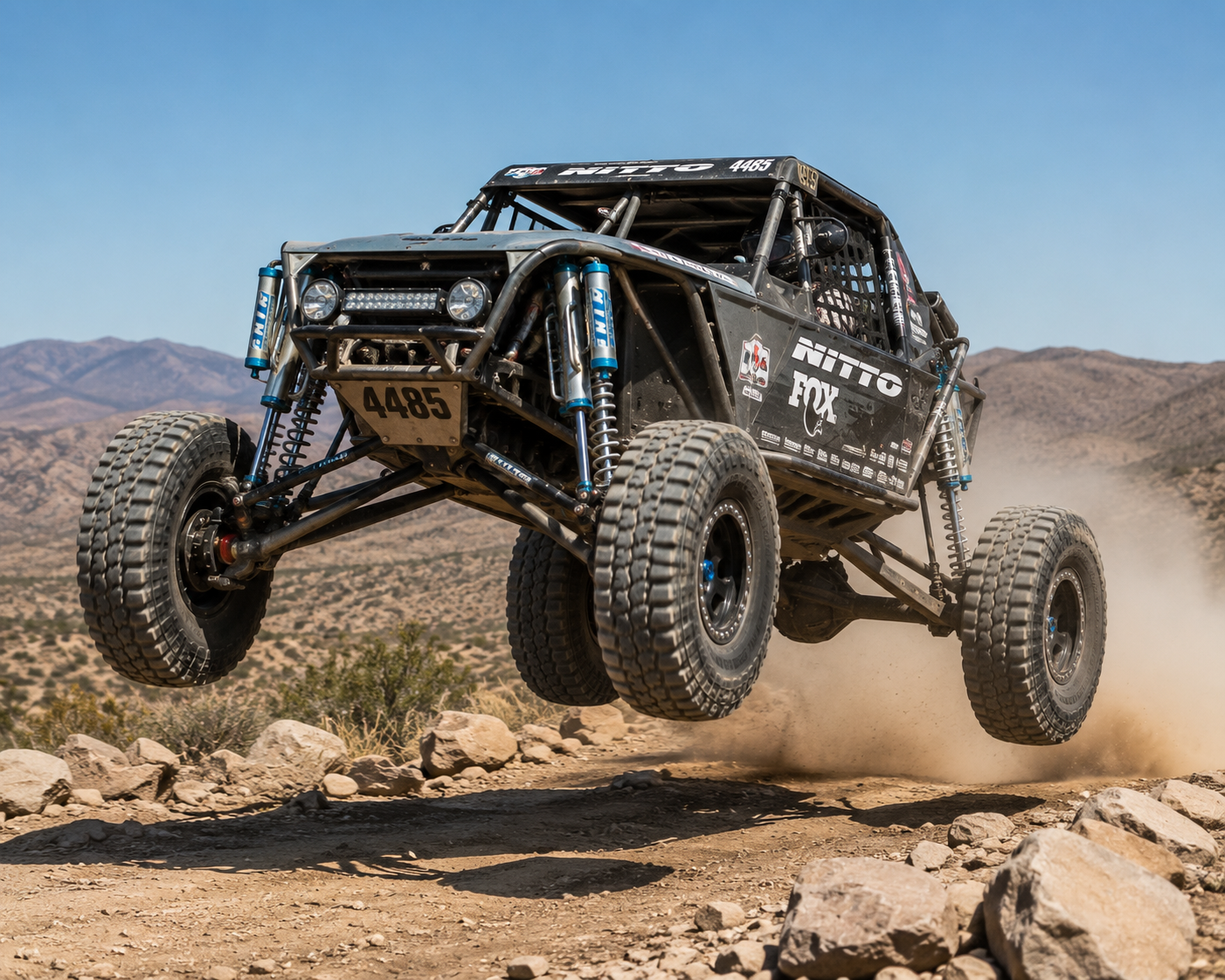
Long-travel suspension, geometry correction, strengthened components and high-performance dampers may be required for specialised off-road builds.
More lift is not always better. As ride height increases, suspension, steering and driveline geometry may require additional correction.
Best for restoring factory ride height, maintaining easy access and preserving the original steering and suspension geometry.
A common choice for general off-road and touring use. Some vehicles still require alignment or geometry correction components.
Larger lifts may require radius arms, control arms, Panhard rods, extended brake hoses, driveline correction and other supporting modifications.
Raising a vehicle changes its centre of gravity and can alter caster, camber, axle position, driveshaft angles, brake hose length and wheel alignment. The complete system must be considered rather than springs alone.
Devon 4x4 supplies suspension systems for standard replacement, touring, towing, heavy-load vehicles and demanding off-road applications.
Engineered by ARB, Old Man Emu suspension is developed around individual vehicles, operating weights and intended use. Matched springs, dampers and supporting components make it one of the most trusted choices for touring, towing and expedition vehicles.
Touring • Expedition • Heavy LoadEFS offers suspension systems ranging from everyday replacement components to heavy-duty lift kits designed for loaded touring vehicles, towing and more demanding off-road use.
Daily Use • Touring • Off RoadBilstein dampers are known for precise road control, strong heat management and consistent performance. Options are available for standard replacement, towing, fast-road driving and premium suspension upgrades.
Premium Handling • Road • TowingKoni shock absorbers provide controlled ride quality and long-term durability. They are particularly well suited to road-biased touring vehicles, heavy-distance travel and drivers seeking improved damping without an extreme lift.
Road • Touring • Long DistanceMonroe replacement suspension is suited to standard-height repairs where restoring factory ride quality, stability and predictable road handling is the main priority.
Standard Height • ReplacementBritpart supplies a broad selection of Land Rover springs, dampers, bushes and complete suspension kits. Options cover routine replacement, load carrying and modified off-road vehicles.
Land Rover • Replacement • UpgradeDesigned specifically for Land Rover applications, Terrafirma offers everything from straightforward replacement suspension and everyday lift kits to heavy-duty springs, long-travel dampers and supporting geometry components for more specialised off-road builds.
Land Rover • Lift Kits • Serious Off RoadA suspension upgrade may require more than springs and shock absorbers, especially where ride height or vehicle weight is changing significantly.
Support vehicle weight and determine ride height, load capacity and part of the suspension's ride character.
Control spring movement and help maintain tyre contact, stability and predictable vehicle response.
Provide robust load support for pickups, commercial vehicles and selected traditional 4x4 platforms.
Add supplementary support for vehicles carrying variable loads or towing heavy trailers.
Help correct alignment and suspension geometry on selected independent-front-suspension vehicles.
Adjustable rods can help recenter a live axle after the vehicle has been lifted.
Replace worn mounting points and influence isolation, component movement and steering precision.
Reduce unwanted steering movement caused by impacts, uneven terrain and larger wheel and tyre combinations.
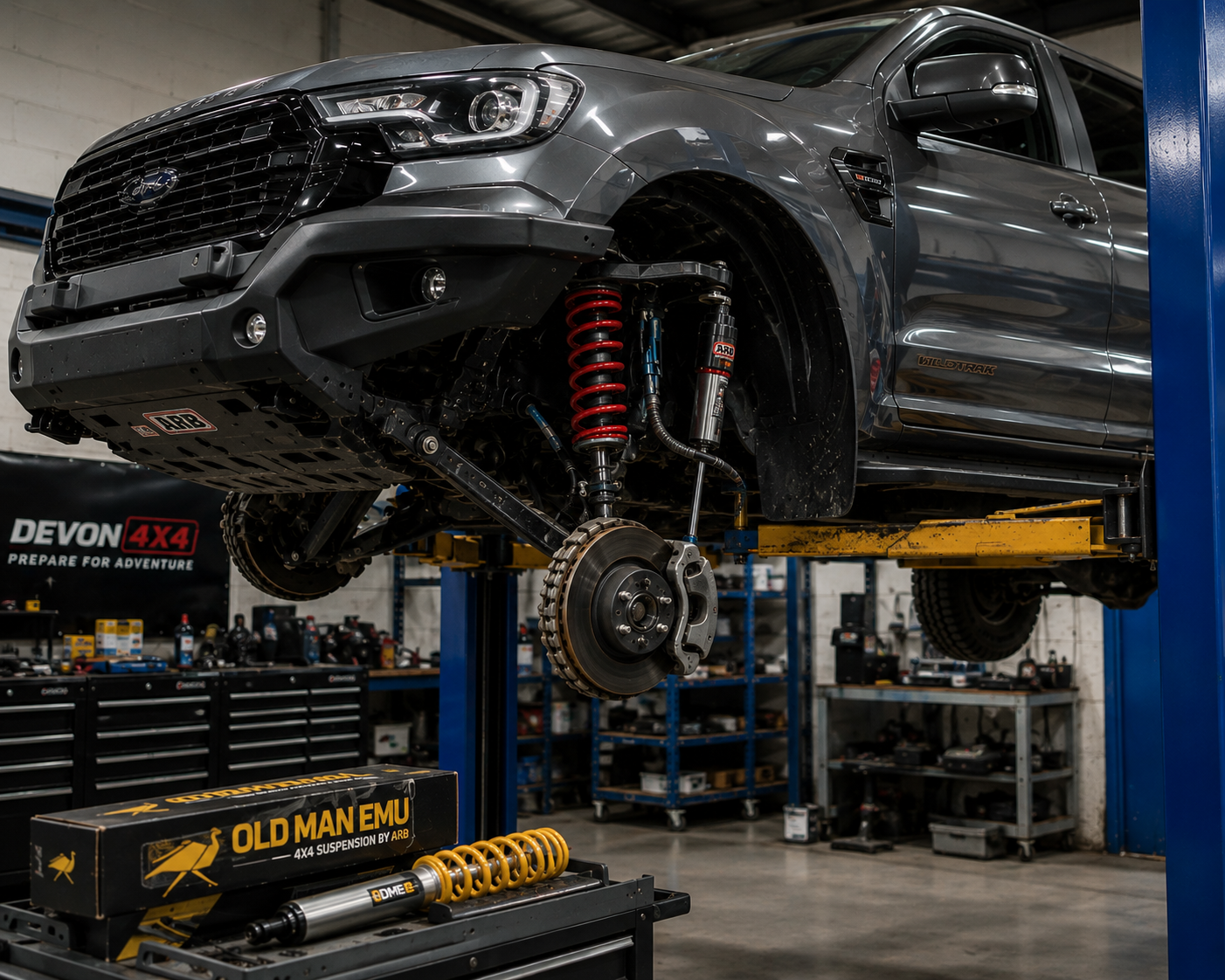
Two visually similar vehicles may need very different suspension. Engine type, body style, axle load, accessories, towing weight and expected terrain can all change the correct spring and damper specification.
Fitting springs that are too soft may allow the vehicle to sag, while springs that are too stiff can produce an unnecessarily harsh ride when lightly loaded.
After installation, fasteners, ride height, brake hoses, steering movement and wheel alignment should be checked. Larger or more complex lifts may require additional components before the vehicle is suitable for normal use.
Not necessarily. Standard-height replacement suspension may be better for a road-focused vehicle, while a modest lift can benefit vehicles requiring more clearance or additional suspension travel.
Contents vary. A basic kit may include springs and dampers, while more complete kits can include bushes, arms, Panhard rods, brake hoses, bump stops and other correction components.
A lift raises the chassis and body, improving clearance beneath some components. Clearance under a live axle differential is normally determined mainly by tyre size rather than spring lift alone.
Wheel alignment should generally be checked after replacing or modifying suspension, particularly on vehicles with independent suspension.
Some independent-front-suspension vehicles require replacement upper control arms to restore acceptable alignment, ball-joint position or clearance after lifting. Requirements vary by vehicle and lift height.
Suspension should be selected using the vehicle's intended permanent weight. Where possible, account for planned bumpers, winches, canopies, roof tents, drawers and other accessories before choosing spring rates.
Heavier springs can improve how a vehicle carries weight, but fitting them alone does not automatically increase the manufacturer's permitted axle or gross vehicle weight ratings.
A remote reservoir provides additional oil and gas volume outside the main damper body. This can improve heat management and damping consistency during repeated, demanding use.
An air-to-coil conversion replaces selected air-suspension components with conventional coil springs. It can simplify the system, but may change ride characteristics and require compatible electronic or mechanical components.
Helper springs can provide additional support when towing or carrying load, but they should not be used to exceed the vehicle's permitted axle, towing or gross weight limits.
Polyurethane bushes can provide durability and firmer location in selected applications. Rubber may provide greater isolation and flexibility. The best choice depends on the component and intended use.
A suspension lift may create additional clearance, but wheel offset, steering movement, bodywork, axle articulation and gearing must also be considered.
Raising the vehicle increases its centre of gravity and changes suspension geometry. A properly designed and installed system should control these effects, but the vehicle will not behave exactly as it did at standard height.
Suspension modifications should be declared to your insurer. Requirements and cover vary, so confirm acceptance before modifying the vehicle.
Service life depends on mileage, vehicle weight, terrain, temperature and product construction. Dampers should be inspected if performance declines, oil leakage appears or suspension behaviour changes.
Devon 4x4 can help select suspension according to the vehicle, accessory weight and intended use. Workshop installation may also be available by prior arrangement.
Whether you need standard replacement components, improved load support, a suspension lift or a complete touring setup, Devon 4x4 can help identify suitable options for your vehicle and intended use.