
Solo and remote travel
A vehicle-mounted winch provides a recovery option when there is no second vehicle available to perform an assisted recovery.
Learn how to choose a vehicle recovery winch with the right capacity, rope, mounting system, electrical supply and recovery accessories for your 4x4, pickup or working vehicle.
A vehicle recovery winch uses a powered rotating drum to wind in rope and apply a controlled pulling force. It is normally mounted securely to a compatible winch bumper, winch tray or hidden mounting system at the front of the vehicle.
During a recovery, the rope is connected to a suitable anchor point such as another properly positioned vehicle or a protected tree. The winch can then help move a stuck vehicle in a controlled direction.
Unlike a kinetic recovery, winching applies a relatively slow and controlled pull. This can be particularly useful during solo travel, on steep ground or where there is insufficient space to use another vehicle safely.

Not every modified vehicle needs a winch, but it can become an important part of the recovery system when travelling alone, working remotely or regularly driving difficult terrain.
A vehicle-mounted winch provides a recovery option when there is no second vehicle available to perform an assisted recovery.
A controlled winch pull can help a vehicle move through heavy resistance when its tyres can no longer generate enough traction.
Winching can assist controlled progress or recovery where wheelspin, momentum or an uncontrolled pull would create additional risk.
Working vehicles operating away from firm ground may benefit from a permanent self-recovery system, provided the winch is used within its intended specification.
Long-distance travel can involve unfamiliar terrain, changing conditions and limited external recovery support.
A winch may provide an alternative to repeated wheelspin or vehicle-to-vehicle recovery on narrow or restricted routes.
Most recreational and touring 4x4s use a 12-volt electric winch, while hydraulic systems are more specialised and normally suited to particular commercial or continuous-use applications.

Electric winches are powered by the vehicle battery and are generally the most practical option for recreational off-road, touring and occasional recovery use.

Hydraulic winches use a hydraulic power source and can suit demanding professional applications where longer operating periods are required.
Winch selection should be based on the maximum authorised operating weight of the vehicle rather than its empty kerb weight.
For example, a vehicle with a gross vehicle weight rating of 3,200kg gives a baseline figure of 4,800kg. The next suitably rated winch above that figure would normally be considered, subject to vehicle fitment, mounting-system and manufacturer requirements.
| Winch Rating | Approximate Metric Rating | General Application | Important Consideration |
|---|---|---|---|
| 8,000lb | Approximately 3,630kg | Lighter off-road vehicles where the calculated minimum capacity remains within the rating. | May provide limited reserve for heavily loaded touring vehicles. |
| 9,500–10,000lb | Approximately 4,310–4,540kg | Commonly considered for many medium-size 4x4s and pickups. | Confirm the vehicle’s plated GVWR and the approved mounting system. |
| 12,000lb | Approximately 5,440kg | Heavier 4x4s, loaded pickups and expedition builds where additional capacity is required. | Higher current demand and physical winch size must be considered. |
| 15,000lb and above | Approximately 6,800kg and above | Heavy commercial vehicles and specialist applications. | Requires a suitably engineered mounting, electrical and vehicle system. |
A winch develops its maximum rated line pull when the rope is winding onto the first layer of the drum. Pulling power reduces as additional layers build up, so using a suitable anchor position and paying attention to the amount of rope on the drum can materially affect performance.
Both rope types can perform effectively when correctly specified, inspected and used. The best choice depends on weight, abrasion exposure, maintenance and how the vehicle will be used.

Synthetic rope is light, flexible and easier to handle than steel cable. It does not develop sharp wire burrs and stores less energy under load, but it requires protection from abrasion, heat and contamination.
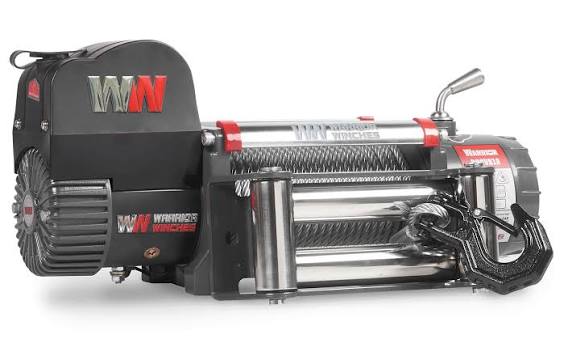
Steel cable is durable around abrasive surfaces and may suit working environments where contact with rocks, dirt and rough edges is difficult to avoid. It is heavier and requires careful handling.
Synthetic rope should run through a smooth hawse fairlead with no sharp edges or damage. Steel cable is normally used with a roller fairlead. Never reuse a damaged fairlead that could cut, crush or abrade the replacement rope.
Low-mount winches are the usual choice for road-going 4x4s, while high-mount units are generally associated with specialist competition and high-performance applications.
Compact low-mount winches fit a wide range of vehicle bumpers and mounting trays. They are normally the most suitable option for touring, recreational off-road and working vehicles.
High-mount designs may offer faster line speed and greater rope capacity, but they are physically larger and require a specialised mounting arrangement.
Rated capacity alone does not confirm fitment. The winch’s dimensions, mounting pattern, motor position, control pack and clutch access must all suit the bumper or tray.
A winch must be attached to a properly engineered winch tray, bumper or mounting system designed for the vehicle and the anticipated pulling loads. It must never be attached directly to cosmetic bumper components.
The installation must provide adequate clearance around the winch body, motor, drum, terminals and clutch. The rope must also run cleanly through the fairlead without contacting sharp bodywork or mounting edges.
Adding a winch and recovery bumper also increases the weight carried by the front suspension. The vehicle’s axle load, payload and suspension setup should therefore be considered as part of the complete installation.
Confirm bumper compatibility, winch mounting pattern, physical dimensions, fairlead position, clutch access, front axle loading and any required vehicle-specific fitting components before ordering.
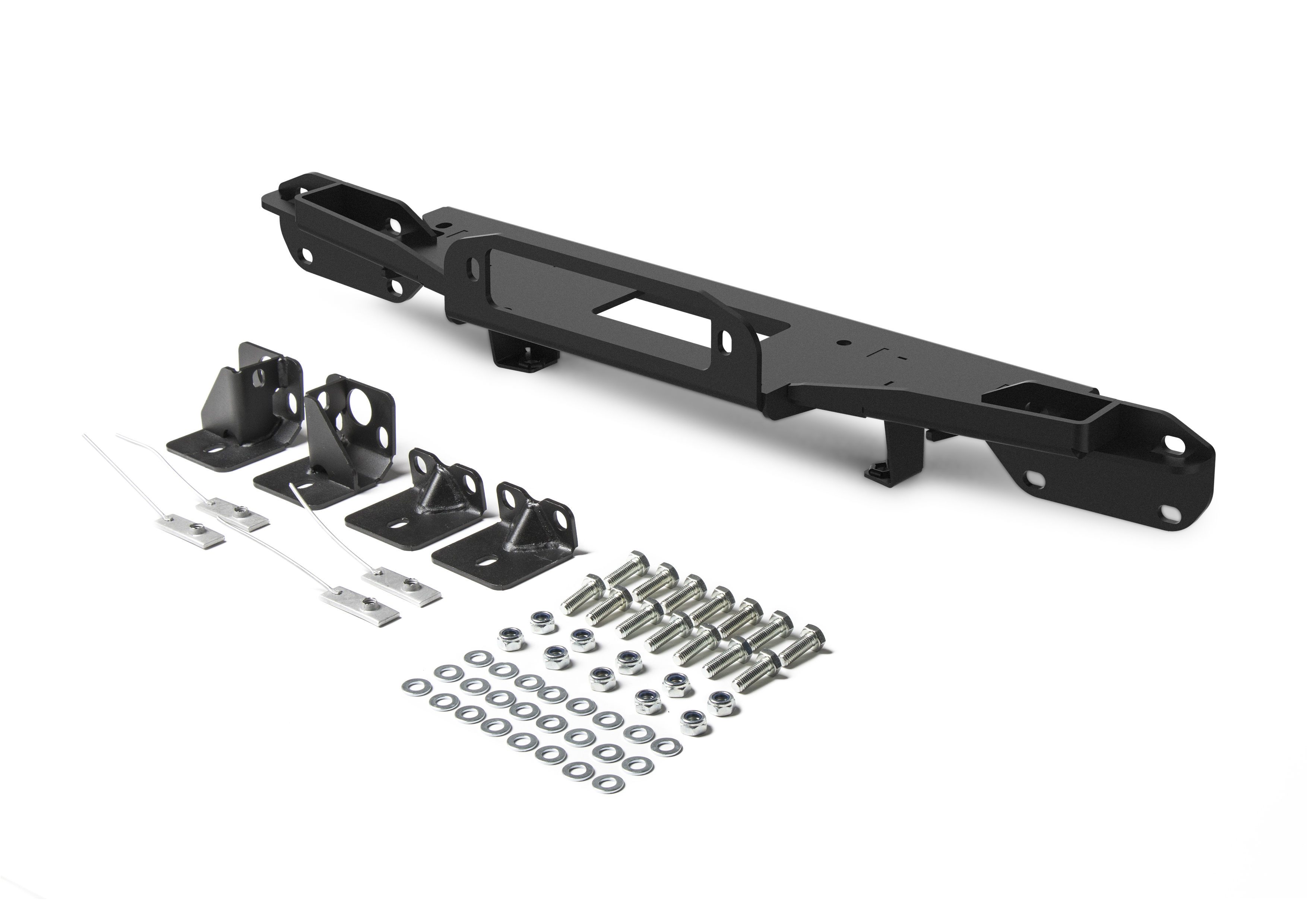
Electric winches can draw very high current under load. A reliable installation therefore depends on the condition and specification of the complete vehicle electrical system.
The starter battery must be healthy, correctly rated and securely mounted. A weak or unsuitable battery can reduce winch performance and voltage stability.
The alternator supports the electrical system while the engine is running, but it does not remove the need for a suitable battery or sensible winching intervals.
Power cables must be correctly sized, securely routed and protected from heat, abrasion and moving components. Connections must remain clean and tight.
A correctly specified isolation arrangement can prevent unauthorised or accidental operation and isolate the high-current supply when required.
Where conditions allow, the engine is normally kept running during electric winching to support system voltage. Always follow the winch and vehicle manufacturer’s instructions.
Electric winches generate heat. Long or difficult pulls may require pauses to prevent the motor, control system and electrical cables from overheating.
A fitted winch is only one part of a safe recovery system. The supporting equipment must be suitable for the expected loads and compatible with the vehicle’s rated recovery points.
Protect the hands while handling rope, hooks, shackles and recovery equipment.
Creates a wide, suitable connection around a tree without wrapping winch rope directly around the trunk.
Positioned over the line during a recovery as part of the safety procedure recommended for winching.
Connect compatible straps and recovery points using equipment with a suitable marked rating.
Can alter the direction of pull or create mechanical advantage when used in a correctly planned rigging arrangement.
Extends the available reach where the winch rope alone cannot reach a suitable anchor.
Provide suitable vehicle attachment locations designed to withstand recovery loads.
Helps protect synthetic rope where contact with an abrasive surface cannot be avoided.
Every recovery is different. Stop, assess the situation and follow the instructions supplied with the winch and all recovery equipment before placing the system under load.
Identify hazards, vehicle condition, resistance, escape routes, suitable anchors and the safest direction of travel before connecting equipment.
Check the rope, hook, straps, shackles, mounting system, recovery points and electrical connections for wear or damage.
Use properly rated equipment, protect suitable anchors and aim for a straight pull wherever the recovery situation allows.
Keep bystanders clear, maintain communication, monitor the rope and equipment, and stop immediately if anything changes or appears unsafe.
A winch, rope or rigging component can fail without warning. Keep everyone clear of the recovery area, never straddle the rope and never exceed the rating of the winch, rope, mounting system or recovery equipment. Professional training is strongly recommended before attempting vehicle recovery.
A winch may remain exposed to rain, road salt, mud and dirt for long periods between recoveries. Regular inspection and operation help reveal problems before the winch is needed.
Rope should be cleaned and checked for abrasion, crushing, broken strands, contamination or heat damage. Any rope that is kinked, frayed or otherwise compromised should be replaced before use.
Electrical terminals, isolators and mounting fasteners should remain clean, tight and free from corrosion. Maintenance must always follow the instructions for the exact winch model.

Start with the vehicle’s weight and intended use, then confirm the physical installation and supporting equipment before choosing a specific winch.
Use the vehicle’s maximum authorised operating weight, not the empty kerb weight.
Multiply the GVWR by 1.5 and select a suitable rated winch above that baseline.
Check the approved winch capacity, mounting pattern, dimensions and fairlead arrangement.
Consider front-end weight, abrasion exposure, maintenance and working conditions.
Assess battery condition, charging capacity, cables, terminals and isolation requirements.
Include the bumper, winch and accessories when reviewing payload, axle loading and front suspension.
Plan for rated points, gloves, dampers, straps, connectors and suitable rigging equipment.
Professional fitting can help ensure secure mounting, correct wiring and safe rope alignment.
Straightforward answers to common questions about choosing, installing and maintaining a vehicle recovery winch.
A widely used starting point is to multiply the vehicle’s gross vehicle weight rating by 1.5. The selected winch should meet or exceed the resulting figure while also being approved for the vehicle’s mounting system.
More rated capacity is not automatically better. The winch must physically fit the approved mount, remain within the mount’s rating and be supported by the vehicle’s electrical, suspension and axle-load limits.
Synthetic rope stores less energy under load and is lighter and easier to handle, but no winch rope should be treated as safe to approach while loaded. Both types can fail and require correct inspection, rigging and exclusion distances.
Many winches can be converted, but the replacement rope must be correctly rated and compatible with the drum. A smooth hawse fairlead is normally required, and the drum and fairlead must have no damage capable of abrading the new rope.
Not every installation requires a second battery. The correct setup depends on the winch, vehicle, battery specification, alternator output and expected use. A healthy correctly rated primary battery may be suitable for occasional recovery, while demanding use may require a more extensive electrical system.
Some vehicles have purpose-designed hidden winch mounts, but compatibility varies. The mount must be engineered for the vehicle and winch, with suitable clearance, airflow, rope alignment and access to the clutch and controls.
Electric winches are generally operated with the engine running where it is safe to do so, allowing the charging system to support the battery. Follow the instructions supplied by the winch and vehicle manufacturers and monitor the electrical system during use.
Follow the service schedule for the exact winch. Inspect the rope, fasteners, terminals and controls regularly, and perform additional inspection after heavy use, deep-water exposure, contamination or any recovery that may have overloaded the system.
Tell us your vehicle model, gross vehicle weight, bumper or winch mount and intended use. The Devon 4x4 team can help identify a compatible winch and the supporting equipment required for a complete installation.