
Touring fridges
A fridge running throughout the day and overnight is one of the most common reasons to fit an auxiliary battery.
Plan a dependable auxiliary-power system for your 4x4, pickup or touring vehicle. This guide explains dual-battery trays, AGM and lithium batteries, split charging, DC-DC chargers, solar, inverters, monitoring and safe installation.
A dual-battery system adds an auxiliary battery that can power camping and vehicle accessories without relying directly on the starter battery. The two batteries are managed so that running a fridge, work lights, charging outlets or other equipment does not leave the vehicle unable to start.
The auxiliary battery may be mounted in the engine bay, load bed, canopy, drawer system or vehicle interior, depending on the vehicle, battery type and installation requirements. It is then charged from the alternator through a suitable isolator or DC-DC charger, and may also accept solar or mains charging.
A complete system is more than a battery. It includes secure mounting, correctly sized cable, circuit protection, suitable charging equipment, distribution and a practical way to monitor remaining capacity.

A small accessory used occasionally may be fine from the vehicle supply. A dedicated auxiliary system becomes useful when loads are larger, used for longer, or must remain available while the engine is switched off.
A fridge running throughout the day and overnight is one of the most common reasons to fit an auxiliary battery.
Lighting, USB charging, water pumps, diesel heaters and small electronics can be supplied without draining the starter battery.
Beacons, scene lights, communications equipment and tools can require a separate dependable power reserve.
Longer periods away from mains power make charging capacity and stored energy more important.
Multiple 12-volt accessories need planned distribution, cable sizing and protection rather than a collection of socket adaptors.
If the vehicle regularly remains parked for a day or more, additional battery capacity or solar charging may be valuable.
A battery is heavy and must remain securely restrained during braking, cornering and off-road vibration. A vehicle-specific battery tray is designed around available space, nearby components and the intended battery dimensions.
Under-bonnet trays provide a compact installation, but available space, engine-bay temperature and battery height must be checked carefully. Rear installations can create more room for larger batteries and associated electrical equipment, but require longer cable runs and suitable protection.
The tray or enclosure must match the battery footprint, mass and mounting orientation permitted by its manufacturer. Terminals need protection from accidental contact, and cables must not be able to rub against metal edges.
Confirm battery dimensions, terminal position, bonnet clearance, nearby heat, vehicle wiring, air-conditioning pipes, axle loading and access for future maintenance before choosing a tray.
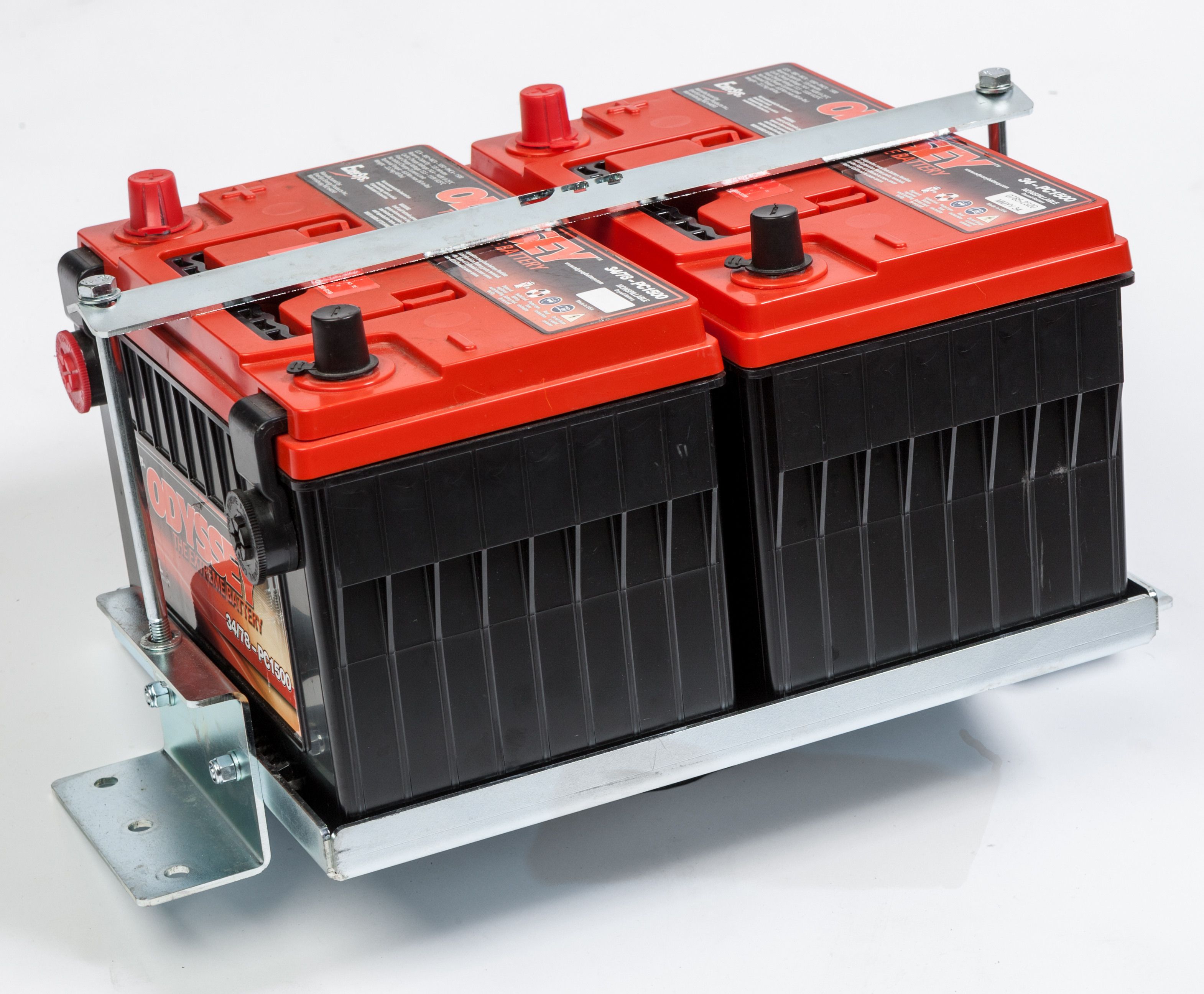
The best location depends on available space, battery chemistry, environmental exposure, cable length and how the vehicle is used.
| Location | Advantages | Points to Check | Typical Use |
|---|---|---|---|
| Engine bay | Compact, close to the starter battery and easy to integrate with a vehicle-specific tray. | Heat, physical clearance, water exposure, battery specification and added front-axle weight. | Traditional lead-acid or approved under-bonnet batteries in suitable vehicles. |
| Pickup load bed or canopy | More installation space and easier access to camping accessories. | Weather protection, security, cable length and suitable enclosure or battery box. | Touring pickups, canopy systems and larger auxiliary installations. |
| Rear load area | Short cable runs to fridges, drawers and rear power outlets. | Battery suitability, ventilation requirements, impact protection and secure mounting. | Estate-style 4x4s, vans and drawer-based systems. |
| Portable power unit | Can be removed, transferred between vehicles and used away from the vehicle. | Lower integration, charging method, output limits and secure transport. | Occasional camping, hire vehicles or flexible power requirements. |
Battery chemistry affects usable capacity, weight, charge settings, installation position, temperature limits and cost. The charger must always be configured for the exact battery being used.
AGM batteries are sealed, widely supported and familiar in touring systems. They are relatively heavy and generally offer less usable energy for a stated amp-hour capacity than a comparable LiFePO₄ battery.
Traditional wet batteries can be cost-effective, but require an installation suitable for their venting, orientation and maintenance requirements. They are not appropriate for every interior mounting position.
LiFePO₄ batteries provide high usable capacity at lower weight and maintain a steadier voltage under load. They require compatible charging and a battery management system.
| Battery Type | Main Strength | Main Limitation | Important Installation Point |
|---|---|---|---|
| AGM | Established technology with broad charger compatibility. | High weight and lower practical usable capacity. | Use the correct AGM charging profile and secure the battery against vibration. |
| Flooded lead-acid | Simple and often economical. | Venting, maintenance and spill considerations. | Install only in a suitable ventilated position and follow the battery maker’s requirements. |
| LiFePO₄ | Low weight, high usable energy and good cycle life. | Higher purchase cost and stricter charge-temperature requirements. | Use a compatible charger and battery management system; do not charge below the battery’s permitted temperature. |
Engine-bay heat can exceed the permitted operating range of some lithium batteries and chargers. Use only components specifically approved by their manufacturers for the proposed location.
Start with the energy used by each accessory, how many hours it runs and how long the vehicle will remain without meaningful charging.
Add the expected consumption of the fridge, lights, pumps, charging outlets and other equipment, then include a sensible reserve. Manufacturer power figures and real-world duty cycles should be used wherever possible.
Battery chemistry, discharge limit, temperature, age and load all affect how much energy is actually available. System sizing should follow the battery manufacturer’s recommended depth of discharge rather than assuming every stated amp-hour is usable.
Both approaches separate the auxiliary load from the starter battery, but they control charging differently. Modern vehicles and lithium batteries commonly favour a correctly specified DC-DC charger.
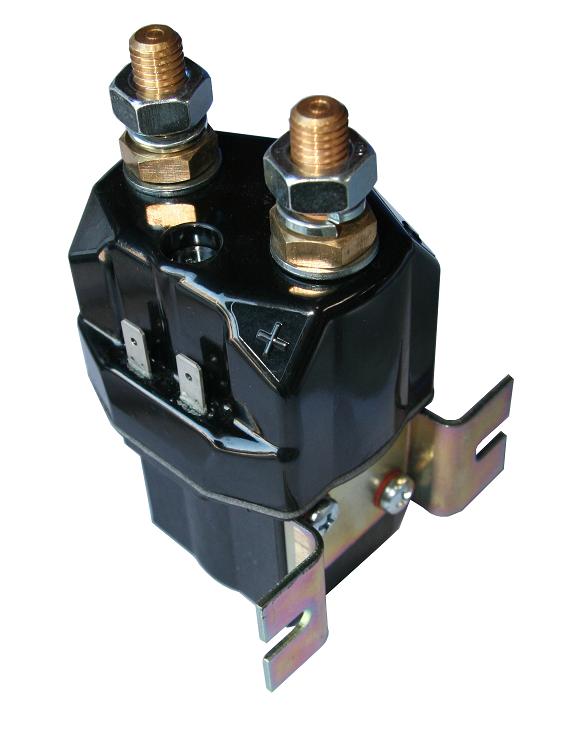
An isolator links the batteries for charging when suitable system voltage is available and separates them when the engine is stopped.
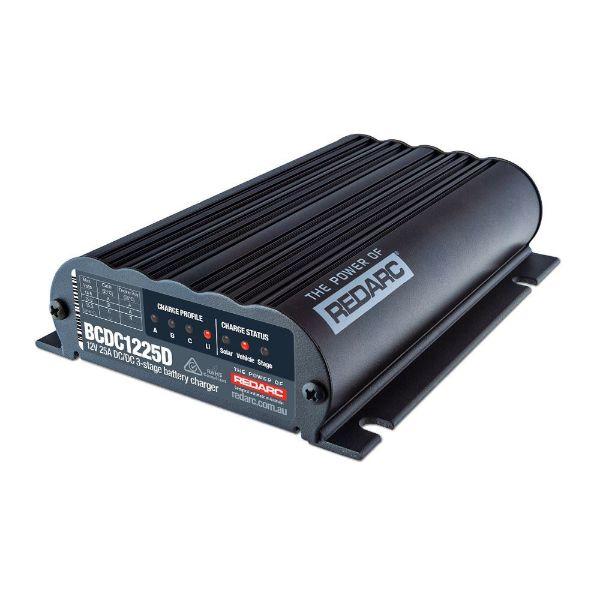
A DC-DC charger takes the vehicle supply and applies a controlled charge profile selected for the auxiliary battery.
Charger output should match the battery maker’s permitted charge current, the size of the battery bank, available alternator capacity and the time normally spent driving.
Never exceed the continuous or maximum charging current specified for the exact battery.
The vehicle must support its original electrical loads as well as the additional charger demand.
A large battery may recharge slowly if journeys are short, even when a suitable charger is installed.
Higher current and longer cable runs require larger conductors to control voltage drop and heat.
Some chargers reduce output when hot and may have restrictions on engine-bay installation.
Allow for realistic future loads, but do not oversize the charging system beyond the vehicle or battery limits.
Solar is most useful when the vehicle remains parked long enough for accessory loads to consume more energy than was restored during the previous drive. It can extend stationary camping time and reduce reliance on idling or frequent journeys.
A vehicle driven for several hours every day may obtain enough energy from a correctly sized DC-DC charger without solar. By contrast, a fridge and camping equipment used during multi-day stops may benefit substantially from a fixed panel, folding panel or solar blanket.
Solar output varies with panel angle, shade, cloud, temperature, season and available daylight. The advertised panel wattage should therefore not be treated as guaranteed continuous output.
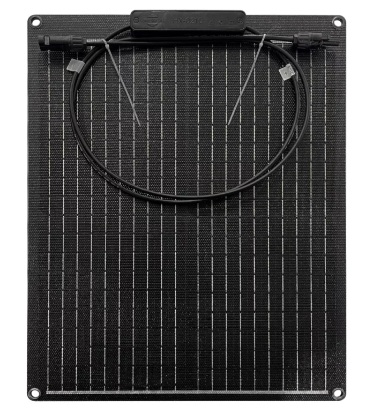
Each format trades permanent availability against portability, storage and the ability to reposition the panel into direct sunlight.
Always connected and capable of charging whenever light is available. Roof position can limit the ability to avoid shade or achieve the best angle.
Can be positioned away from the vehicle and aimed towards the sun, but requires storage space and manual setup.
Packs into a compact space and can suit touring vehicles with limited storage, although it still needs a suitable position, cable and regulator.
An inverter converts battery power into mains-style AC power for compatible equipment. It is only required when an appliance cannot reasonably be powered or charged directly from 12 volts or USB.
Larger inverters can draw very high current from the battery. The continuous output, surge requirement, battery capacity, cable size, fuse rating, ventilation and mounting position must all be considered together.
Pure sine wave inverters are generally the appropriate choice for sensitive electronics and equipment whose manufacturer requires a clean AC waveform. An inverter does not create energy; higher AC loads can deplete a battery bank quickly.
Follow the inverter manufacturer’s installation instructions and applicable electrical requirements. High-power or permanently wired AC systems should be designed and installed by a suitably qualified professional.

A dependable electrical system must be protected against short circuits, overload, heat, abrasion, moisture and loose connections.
Choose conductor size for current, cable length, acceptable voltage drop and installation temperature.
Fit correctly rated protection close to each battery or other source of stored electrical energy.
Keep cables away from exhausts, sharp edges, steering, suspension and moving bodywork.
Verify polarity, charging voltage, protection, load operation and cable temperature before relying on the installation.
Protection must be selected with the cable’s safe current capacity and the connected equipment in mind. An unprotected battery cable can release extremely high fault current if damaged or shorted.
Monitoring makes it easier to understand energy use, charging performance and when loads need to be reduced.
A shunt-based monitor can estimate current flow, energy used and remaining state of charge more reliably than voltage alone.
Provides organised protected circuits for lighting, fridges, pumps, sockets and other accessories.
Disconnects suitable loads before the auxiliary battery reaches a damaging or unreliable discharge level.
Appropriately rated USB, 12-volt and high-current connectors reduce reliance on loose adaptors and undersized plugs.
Build the system around measured loads and the way the vehicle is used, then confirm that every component is compatible.
Record current or power consumption and expected daily running time.
Stationary time determines how much storage or solar replenishment may be required.
Compare usable capacity, weight, mounting position, charging needs and budget.
Check tray fitment, temperature, ventilation, terminal access and cable route.
Match the isolator or DC-DC charger to the alternator and auxiliary battery.
Base the decision on stationary energy use rather than fitting solar automatically.
Specify cable, fuses, breakers, glands, conduit and isolation before installation.
Allow practical access and realistic future circuits without oversizing the entire system.
Practical answers to common questions about auxiliary batteries, chargers and solar.
A dedicated auxiliary battery is strongly worth considering when a fridge must run while the engine is stopped. The correct system depends on fridge consumption, ambient temperature, trip length and available charging.
A permanent uncontrolled parallel connection is generally unsuitable because accessory loads could discharge the starter battery and the two batteries may have different charging requirements. Use an approved isolator or DC-DC charging system designed for the application.
Many vehicles with variable-voltage or smart alternators use a DC-DC charger because it can maintain a controlled auxiliary-battery charge profile despite changing input voltage. Vehicle and charger compatibility must still be confirmed.
Lithium offers lower weight and more practical usable capacity, but it costs more and requires compatible charging, temperature management and a suitable battery management system. AGM can remain a sensible choice for simpler installations.
There is no single panel size for every fridge. Use the fridge’s measured daily energy consumption, expected sunlight, seasonal conditions and other electrical loads to size the panel and battery together.
Some battery-management and DC-DC systems can direct suitable solar charging to more than one battery or support the starter battery when the auxiliary battery is charged. This is product-specific and must be wired exactly as instructed.
Batteries with different chemistries should not simply be connected together as one unmanaged bank. Their charge profiles and voltage behaviour differ. Separate charging and management equipment may be required.
The installation involves high fault current, heavy cable, vehicle charging systems and secure battery mounting. Anyone without the necessary electrical and mechanical competence should use a suitably experienced professional installer.
Build a complete touring electrical system around compatible charging, storage and accessories.
Match the battery, tray, charger, solar input, cable protection and accessory loads before installation. Devon 4x4 can help you select compatible equipment for touring, overlanding, work and off-road use.